 NulNet
Twenty-one no-KYC locations — pick latency or process
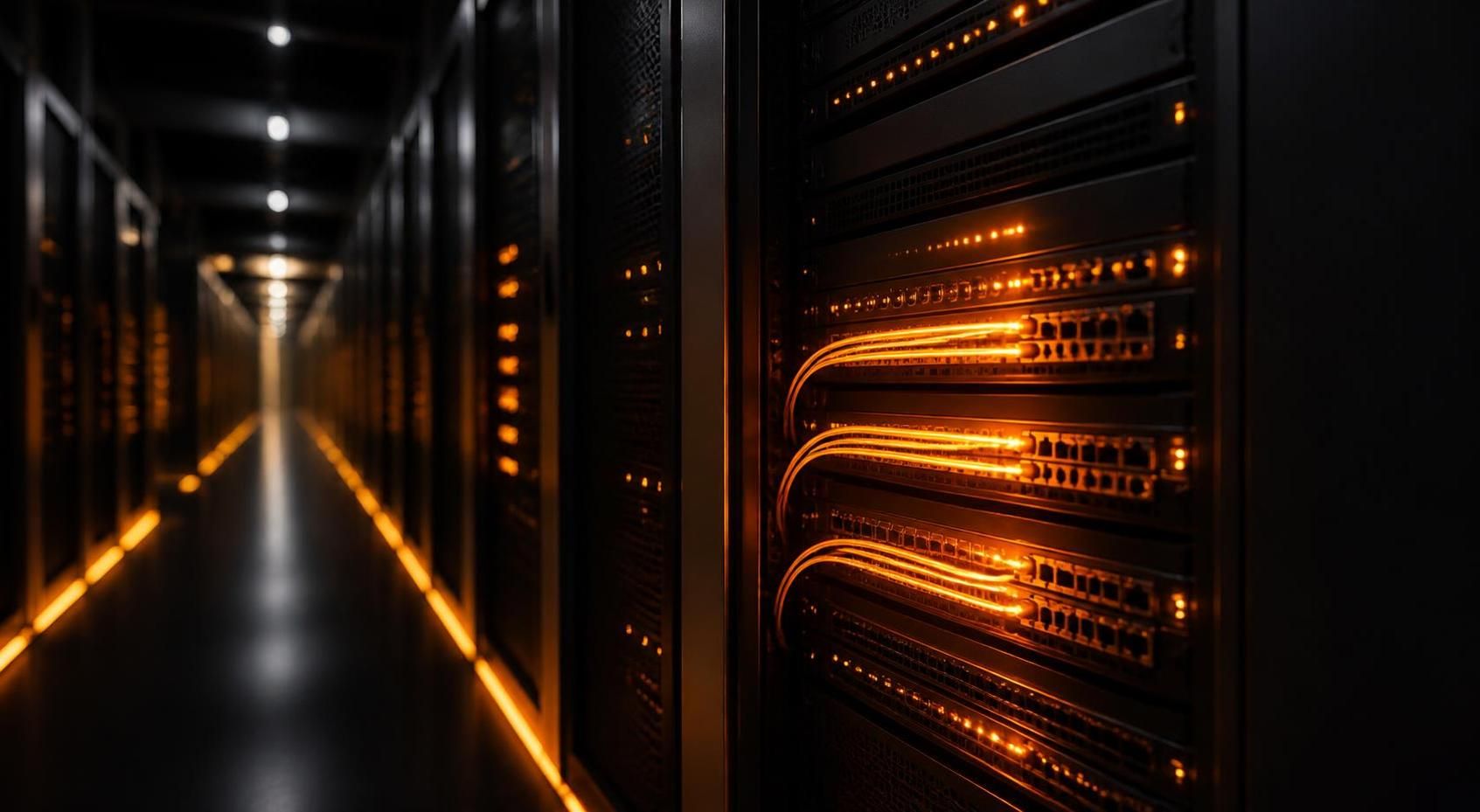
One catalog, twenty-one racks on four continents: Reykjavik and Zurich for process posture, regional pins from Dallas to Johannesburg for RTT.
Le corps de l'article est en anglais. L'interface, le catalogue et la caisse sont traduits.
How to choose the flag
Speech / process: Reykjavik — EEA member outside the EU, geothermal supply, no retention statute — and Zurich — FADP process, non-EU, Swiss courts on data requests. EU peering: Amsterdam (AMS-IX), Frankfurt (DE-CIX), Riga, Bucharest. Americas: Ashburn and Dallas for North American round trips, Mexico City and Sao Paulo serving LATAM locally. APAC: Singapore for SE-Asia exchange reach, Hong Kong, Tokyo, Bangkok, and Shanghai where mainland-facing connectivity — not privacy posture — is the requirement. Gulf / CIS / Africa: Dubai on UAE-IX, Almaty, Moscow, Saint Petersburg, plus Cape Town and Johannesburg, where POPIA governs the rack and local RTT replaces a ~170 ms detour through Amsterdam.
The catalog never changes across those flags: Scout from $3* promo ($5.49 list, 1 vCPU / 2 GB ECC / 40 GB NVMe), Sentry at $7.50 ($6.00 annual-eff), Warden at $19.00 ($15.20), Shield metal at $38.50 list ($30.80 annual-eff) with IPMI. Sixteen coins settle every invoice. The company is SKN and the law at the rack is local — the two facts are separate on purpose. Decide whether the workload is a latency product or a speech product, then pick.
VPS from $3* (fund $50+), storage 1–5 TB NVMe from $24/mo annual-eff, dedicated with IPMI from $30.80/mo. Crypto invoice, no KYC.
Launch nowCompany vs rack
Meridian Node Ltd. contracts from Saint Kitts and Nevis; the VM never runs in the Caribbean. Claims move only through law enforcement of the facility jurisdiction — a US-style DMCA template has no standing and dies in the log. That split is the answer to the question every jurisdiction page gets: the entity handles billing and contracts, the rack answers to its own courts.
Same checkout everywhere
Signup is a 32-character token alone or an email plus a 12-character password, then one live-rate crypto invoice. Nested virtualization, custom ISO mounts, open port 25, editable PTR and included DDoS filtering travel with every flag. Indicative RTT and test endpoints: /looking-glass/.
Is the price the same at every location?
Yes — one list price per SKU covers all flags except Iceland (+20%) and Switzerland (+35%), where the premium is published rather than negotiated.
Where do I check latency before ordering?
The looking glass publishes test endpoints per flag; measure from your user base, since your own vantage point is the only RTT that matters.
Why do Africa and the Gulf exist as flags?
So users there stop paying Amsterdam's hairpin tax: Cape Town, Johannesburg and Dubai are latency pins with local law at the rack, not slogans about speech.
Which flag for a Monero-paid personal box?
Whichever matches the threat model: Reykjavik for the no-retention EEA story, Zurich for FADP process, or a regional pin when latency is the real requirement — the invoice reads XMR at every one.
Ready to launch?
Build the box — VPS, storage or bare metal — create the password, pay the invoice that follows.