 NulNet
WireGuard / Outline VPN VPS — No KYC, Crypto
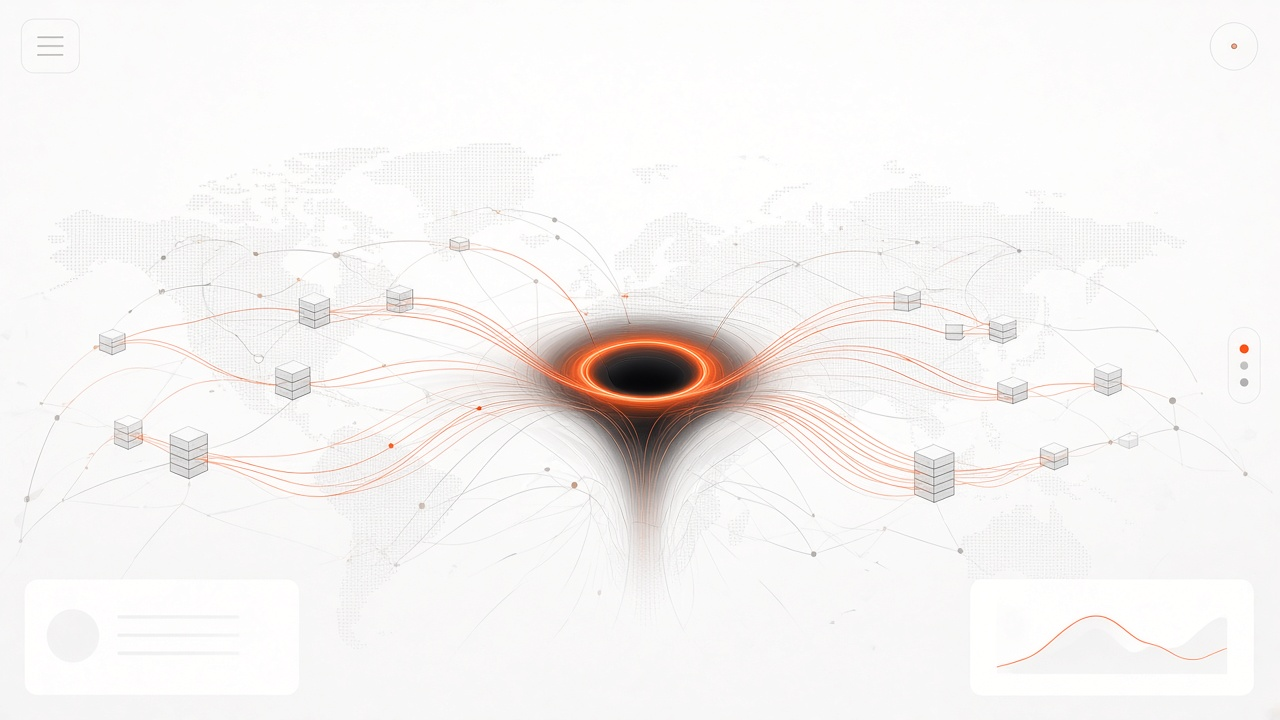
Self-host WireGuard, Outline, OpenVPN or Shadowsocks on a no-ID VPS from $5.49: unmetered port, your keys, your daemon. Reykjavik or Amsterdam.
El artículo largo está en inglés. Cabecera, catálogo y caja están traducidos.
What people actually run
Commercial VPNs run the same protocol you can put on your own box. Mullvad: WireGuard documents WireGuard as their default tunnel, Proton VPN: WireGuard configs shows Proton exporting WireGuard configs, and IVPN: WireGuard on Linux is IVPN's Linux path — those companies sell a client plus a shared fleet. The self-hosted alternative is to buy a VPS with coins, skip KYC, and install WireGuard official site or Outline (Jigsaw) directly, keeping the private key on hardware under your account. Tailscale install overlays a mesh on WireGuard (Headscale is the self-hosted control plane), Outline installs in about five minutes, and OpenVPN still works off an existing playbook. In every case the host rents the IP; it does not operate the VPN.
VPS from $3* (fund $50+), storage 1–5 TB NVMe from $24/mo annual-eff, dedicated with IPMI from $30.80/mo. Crypto invoice, no KYC.
Launch nowWho this is for
Pick a path
A few devices, friends, travel
A small team, no app store
Payment-graph privacy
Whole NIC, no noisy neighbour
Playbook
- Buy a VPS with Bitcoin or USDT. No passport. Email and a 12-character password.
- Install from WireGuard quick start or Outline (Jigsaw). Open the UDP/TCP port you chose.
- Amsterdam for EU latency. Iceland if jurisdiction is the product.
Limits
A personal VPN endpoint is an allowed workload; scanning, spam and attacks launched through it are not, and one peer's abuse reads as yours in the ticket queue. The host rents root access and an unmetered port — it does not sell Mullvad, Proton or IVPN, and it does not hand out shared exit IPs, which is precisely the property that keeps a private endpoint off the blocklists shared commercial pools land on.
Is port 51820 open?
Yes — every UDP/TCP port is yours to assign, and the unmetered uplink means tunnel throughput tracks the port speed rather than a quota.
KYC to run a VPN?
No. Signup is a token or an email plus a 12-character password, then a crypto invoice; the daemon is yours to install minutes after provisioning.
Do you sell a VPN subscription?
No. You buy a VPS or a dedicated server and run WireGuard, Outline or whatever else yourself — there is no client app, fleet or shared exit on this catalog.
WireGuard in Iceland?
Yes. Reykjavik is at checkout with the +20% flag premium published up front; Amsterdam and most other flags bill base list.
Outline or Shadowsocks?
Both are allowed — you install them on your box. Nested virtualization is enabled if you wrap the daemon in Docker or need to test inside a VM.
Tailscale / Headscale?
Allowed. You run the control plane and hold the coordination data; the host neither operates a mesh nor terminates any of your tunnels.
Ready to launch?
Build the box — VPS, storage or bare metal — create the password, pay the invoice that follows.